The Baja 1000 is a hard off-road race. It tests a racer’s skill and strength. Racers face many course hazards that alter the race, safety, and result. Harsh land and quick weather shift to stress every driver. This article lists the top hazards and shows ways to get ready.
Understanding the Baja 1000 Course Hazards
The race crosses about 1,000 miles of rough ground. It cuts across Mexico’s Baja California. The long path hides many hazards. Knowing these hazards helps drivers plan, set up their vehicles, and act fast.
1. Varied Terrain and Natural Obstacles
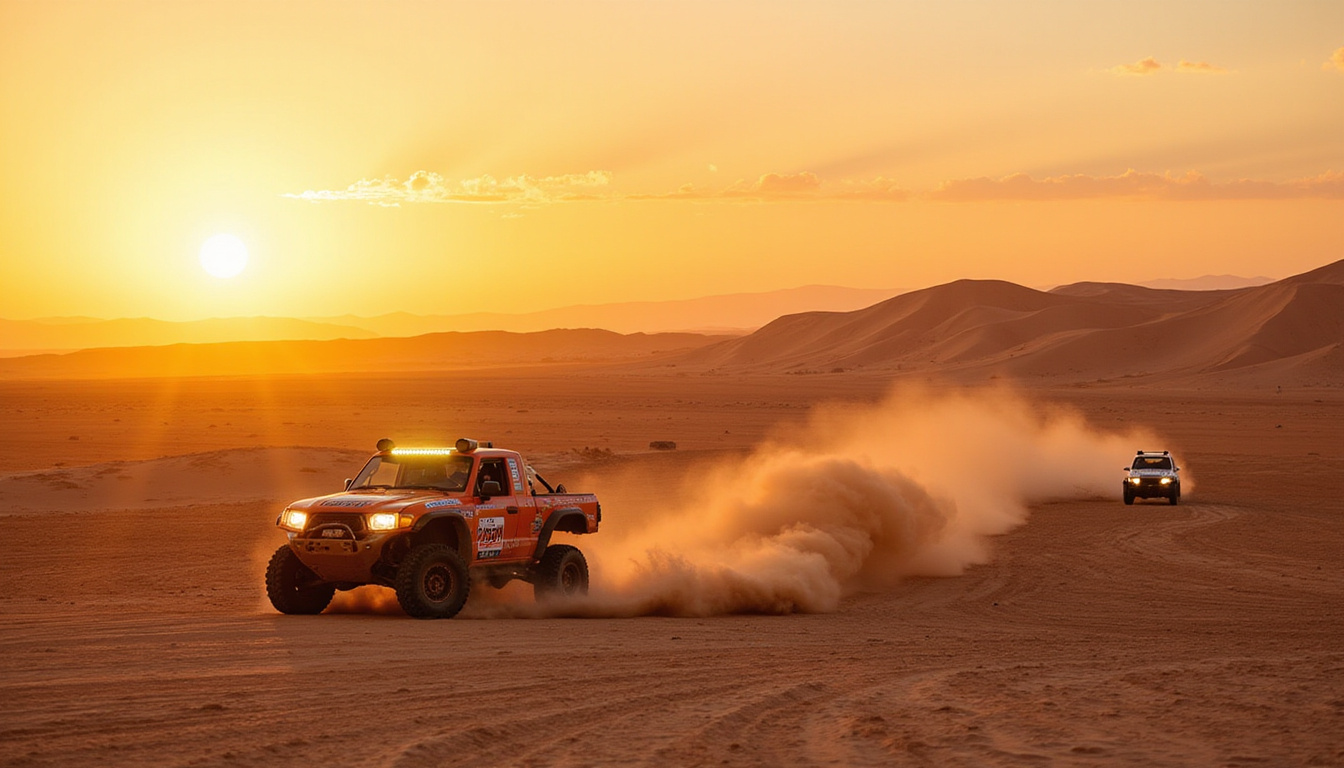
The course has many types of land. Racers drive on rocky climbs, shifting sand, and dry trails. Each land type forces new driving and car care rules.
- Rough rocky sections – loose rocks can cut tires and hit suspensions.
- Sand dunes – soft sand tests grip and may trap a car.
- Dry riverbeds and washouts – hidden pits and stones boost the risk of rollovers and faults.
- Mountainous terrain – steep slopes demand tight throttle work and test brakes and engines.
Each risk asks for tight car control. One wrong touch can spark a hard crash.
2. Extreme Weather Conditions
The Baja sun beats hard by day. At night, cold air can drain a driver. Dust clouds break sight. Sudden rain turns dry paths to mud.
Rain comes rarely, but it makes roads slick and floods dry washes. Heat forces racers to drink much and keep their cars cool to stop damage.
3. Wildlife and Vegetation
Wild animals can cross the path. Coyotes, snakes, or goats may show up without a word. They can bump into cars and cause harm. Thick brush and cacti in open land can prick tires or snag wheels.
4. Navigation Challenges
This race does not stick to a closed track. Maps, GPS, and spotters build the guide path. The vast, bare land makes it easy to lose track or miss spots. Such mistakes cost time and risk a race loss.
Key Baja 1000 Course Hazards for Mechanical Teams
The course can break a car’s parts. Common faults include:
- Tire punctures and blowouts – rough ground makes even strong tires face cuts.
- Suspension damage – constant bumps and jumps strain the shocks.
- Engine overheating – high heat and dusty radiators push engines too hard.
- Electrical system failures – dust and water sometimes hit circuits and sensors.
Quick fixes and spare parts help mend these faults on the move.
Essential Prep Tips to Overcome Baja 1000 Course Hazards
For the race, sound prep is a must. Follow these steps:
- Vehicle Customization: Fit your car with tough tires, strong suspensions, and good cooling parts made for desert roads.
- Physical Training: Build body strength and heat resistance.
- Course Reconnaissance: Read maps and join pre-race talks. Test parts of the path when you can.
- Navigation Equipment: Bring a fine GPS and backup maps or a compass.
- Emergency Supplies: Pack a first-aid kit, water, repair tools, and spare parts.
- Team Coordination: Keep clear talk among drivers, spotters, and crew.
- Practice Driving Skills: Work on off-road moves for rocky, sandy, and hilly parts.
Baja 1000 Course Hazards: Safety Protocols Every Racer Must Follow
Keep safety at the front when fighting these hazards:
- Wear approved safety gear: Helmets, fire-resistant suits, and seat belts cut injury risk.
- Monitor vehicle telemetry: Read car signs to spot faults early.
- Stay alert and hydrated: Tiredness and thirst can spark mistakes.
- Respect wildlife: Watch the road to avoid hitting animals.
- Follow race rules: Keep the set speed where needed and check in as directed.
Frequently Asked Questions About Baja 1000 Course Hazards
Q1: What are the main hazards faced in nature?
Racers deal with rocky grounds, soft sand, steep slopes, dry washes, and fast-changing weather. All these test both the car and the driver.
Q2: How do racers stop mechanical faults from arising?
They fit cars with tough tires, strong shocks, and good cooling parts. Spare parts and strong checks before the race help fix faults fast.
Q3: What are the navigation risks and their fixes?
The wide, unmapped course can make finding the route hard. A good GPS, sturdy maps, and sharp spotters keep the driver on track.
Conclusion: Face the Baja 1000 Course Hazards with Will
To win the Baja 1000, meet each hazard head-on. Know the hard ground, harsh weather, car faults, and mapping needs. With solid prep, the right upgrades, and clear thought, you can turn hard parts to a bold race.
Are you set for the Baja 1000? Get your gear, train hard, and meet the race with strong will. For more hints and news, check the SCORE International website. The Baja 1000 tests strength and will—get set to beat each challenge.
