Competing in the Baja 1000 tests off-road strength. The race pushes your car over harsh land. Your car’s suspension stands as a key link. When the tuning fits, the car runs with firm grip and smooth control.
In this guide, we share simple tips to adjust your Baja 1000 race suspension. You may be a skilled racer or new to these tracks. Use these hints to fine-tune your setup and boost your vehicle’s race run.
Why Suspension Matters in the Baja 1000
The race spans over 1,000 miles of rough paths. Rocks, sand, and hard trails mark the course. Good suspension helps your car take shocks. It aids grip and steadfast control at high speeds. A well-tuned suspension clears bumps, saves parts, and may cut driver wear.
A poor tune may lead to deep dips, weak grip, or fast wear. Each of these can cost you time or force a stop in the race.
Main Parts of Baja 1000 Race Suspension Tuning
Here are the parts you can work on:
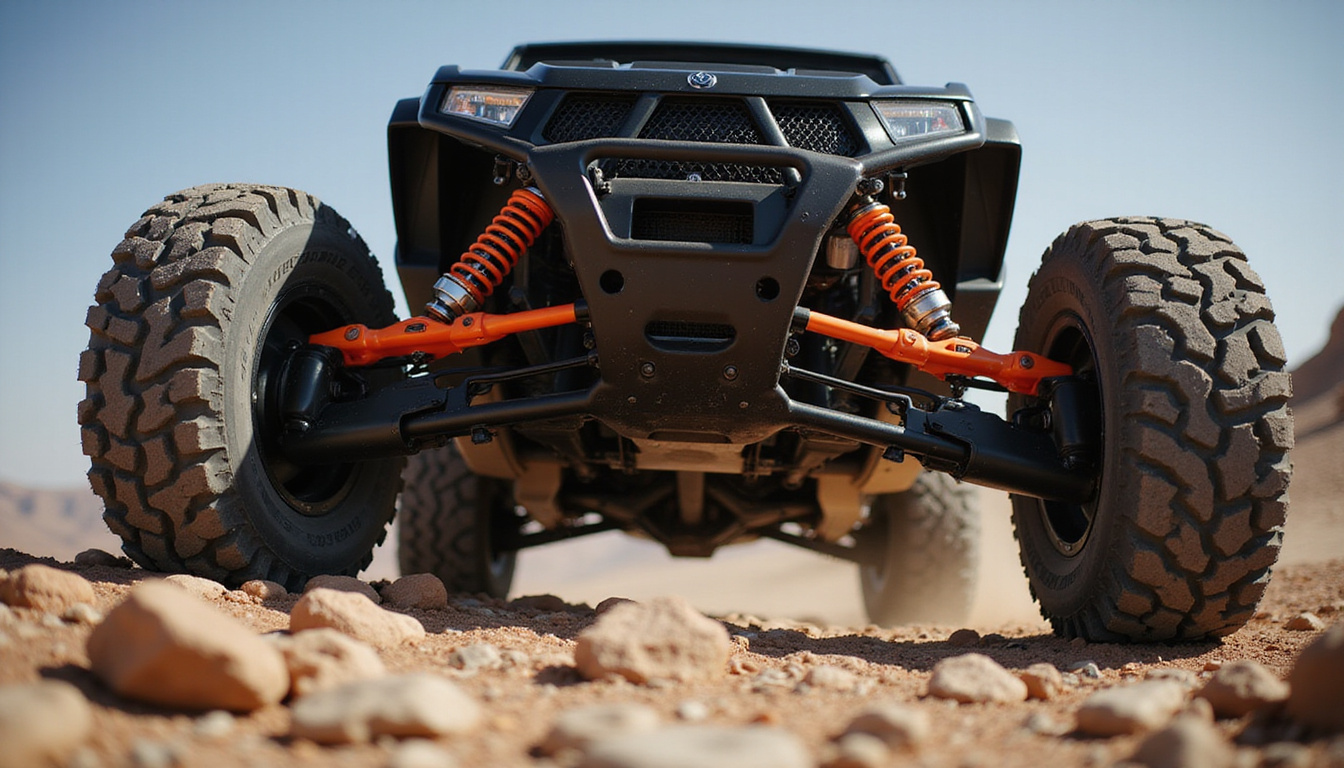
• Shock Absorbers – they keep the wheel in check and calm impacts.
• Springs – they hold the car’s weight and take in bumps.
• Suspension Arms and Links – they keep the wheels in line.
• Tires and Wheels – they help grip and soften small shocks.
• Ride Height and Suspension Travel – they set ground clearance and move range.
Each part has a role. Grouping them as a whole lets you set up for the race’s hard road.
Key Baja 1000 Race Suspension Tuning Tips
1. Set Suspension Travel and Damping
Aim for extra travel with firm, yet smooth, control. More travel helps your car deal with big bumps and jumps. Use these steps:
• Adjust rebound and compression damping. Set your shocks so they push and pull in tune with hits.
• Mix a soft feel for rough runs and a firm feel for tight turns.
Try changes on your shock set points to find a mix that fits your style and the land.
2. Pick the Right Spring Rates
Spring rates must suit your car’s weight and the road. If springs are too stiff, the ride feels harsh. If too soft, the car may hit the bottom too often.
• Weigh your car at each corner.
• Choose spring rates to match the weight and ride height you want.
• For sandy spots, a softer spring may keep the tire firm on the track. Rock paths may need stiffer springs.
3. Adjust Ride Height for Clearance and Balance
Ride height stops your car from scraping on the ground. It must be set with care. A high ride may lift the car’s balance too much.
• Tune the ride height so that the suspension moves fully without the car body hitting the ground.
• Lower the ride height for tight turns and raise it on fast open trails.
Keep track of ride height when the car is loaded with gear, a driver, and fuel. This helps maintain a balanced ride in the race.
4. Fine-Tune Suspension Geometry and Wheel Alignment
Wheel angle and suspension setup affect tire grip and steering crispness. Bad alignment can wear tires unevenly and lower grip.
• Adjust camber and toe to best suit off-road needs.
• Set caster so that steering feels clear and wheels run straight.
• Check all joints and bushings to stay firm and free to move.
5. Choose Wheels and Tires to Fit the Setup
Wheel size and tire air play a part in how the suspension feels. Low pressure helps the tire grip and absorb small bumps. Yet, keep an eye on punctures.
• Pick tires built for desert runs with good tread and tough sides.
• Set tire pressure to help the suspension work well with the tire’s shape.
• Big wheels might need a shift in the suspension set up to keep the geometry right.
6. Test on Track and Tune Again
Real road use gives the best tip for tuning. Try your car on a part of the course. Watch how the car feels and acts.
• Record data with GPS or sensors and heed driver thoughts.
• Change damping in small steps and try again.
• Note if the car dips too much, rolls, or loses grip.
Test and tune again to find a set up that fits your car and the course.
Quick Baja 1000 Suspension Tuning Checklist
- Gain extra suspension travel and balance the damping.
- Match spring rates to weight and track type.
- Set ride height for clear ground and firm balance.
- Adjust wheel angles and suspension links.
- Pick wheels and tires that fit the tune.
- Test on the track and change settings in small steps.
Baja 1000 Race Suspension Tuning FAQ
Q1: How much suspension travel is best for the Baja 1000?
A: Many race cars use 16 to 24 inches of travel. This range lets the car take big bumps while still holding control.
Q2: What type of shocks work well for Baja racing?
A: Many racers opt for high-power shocks that let you change compression and rebound. They help in heat loss and let you fine-tune the ride.
Q3: Can tire air change the car’s feel?
A: Yes, low air helps the tire grip and cushion rough parts. But, check that your setup can handle the extra tire shape change well.
Good Sources for Suspension Tuning Tips
For more on off-road suspension, check expert guides like those at King Shocks. Their guides help many racers set up for hard trails.
Final Thoughts
A good Baja 1000 race suspension tune gives your car a strong edge on harsh roads. Tweak travel, damping, springs, and alignment to help your car take on rough land with care and speed.
Work on your test runs, track the data, and adjust in small steps. A careful tune can help your car race fast. Now set your suspension right and feel your car work hard on race day!
