A winch setup holds your recovery system.
It serves off-road fans, rescue teams, and overland travelers.
When events surprise you, a sound winch keeps you safe, quick, and in control.
Why a careful winch setup matters
A weak winch plan may leave you stuck or cause harm.
A proper winch pairs the pull strength to the vehicle’s weight.
It sits on a firm mount and ties into the electrical system right.
Time spent on planning and practice cuts risk and makes pulls repeatable.
Choose the right winch for your vehicle and plan
Your winch need holds a pull that is 1.5 to 2 times your vehicle’s weight.
Think of these points:
- Your vehicle weight (GVWR) with passengers and gear
- The ground you face (mud, sand, rock)
- How often you pull and how fast you want to pull
- Whether you use a light synthetic rope or a tough steel cable
Read the maker’s guide for the best fit.
A proper guide fits your vehicle needs.
Mounting: make the frame work with the setup
The winch must find a firm home on the vehicle.
A stuck car puts heavy force on the mount.
To build a strong link:
- Use a mount or bumper built for your winch and car
- Check the frame or crossmember behind the bumper supports the plate
- Use strong fasteners and tighten to the set mark
- Keep space so the cable runs off the drum smoothly
Electrical: wire as if your life is on the line
A winch pulls a heavy current when it stops.
This makes the wiring very important.
- Use cable that suits your winch and run it straight to the battery
- Place a fuse or breaker near the battery to guard the line
- Use ring terminals and battery covers that hold up well
- If you add another battery, install an isolator or charger so both stay fit
A firm electrical link keeps the pull strong and lowers risks.
Rigging and parts that keep pulls safe and sure
The rig must match the winch.
Right parts add strength and keep you safe.
- Anchor points sit on tree trunks, other cars, or ground anchors that hold loads
- A snatch block doubles pull strength and can change the pull’s path
- A recovery strap or kinetic rope helps share loads
- A dampener or blanket cuts the force if the cable fails
- Shackles and soft shackles join the gear at a safe load
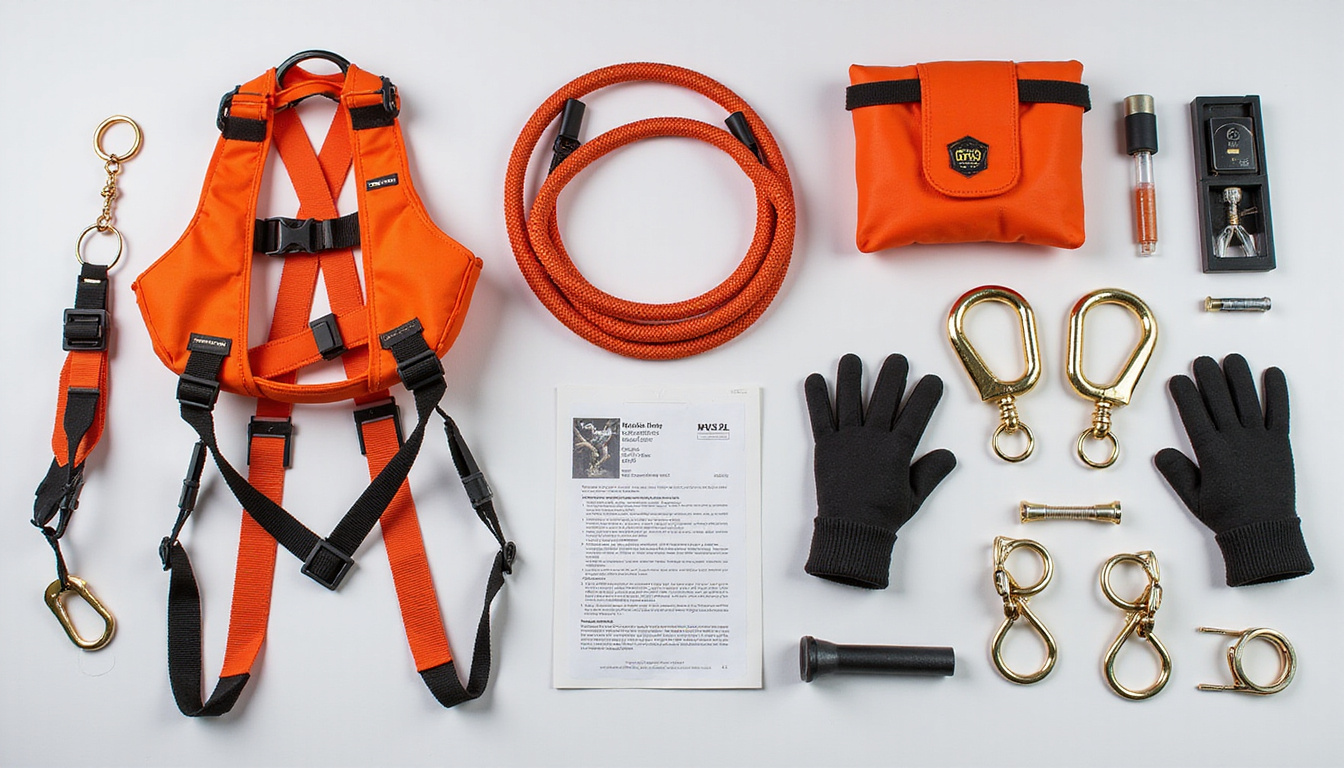
Essential recovery gear checklist
- A rated snatch block
- A kinetic rope or heavy strap
- A winch dampener or recovery blanket
- Rated shackles (bow and soft)
- A strap that protects the anchor (tree saver)
- Gloves and hand tools
- A winch extension strap and anchor points
- A portable winch battery jumper or strong starting battery
How to set up and run the winch safely
Good habits stop harm and keep gear safe.
Follow these steps:
- Do not cut the engine unless it is needed; keep the alternator on during long pulls
- Keep bystanders away; ask them to step back the winch cable’s length plus a bit more
- Use a dampener over the cable in the middle to cut recoil
- Guide the line so it runs clean on the drum
- Use a snatch block when pulling from an angle, when you need extra pull strength, or to get the line in position
Training: practice in a safe spot
Practice in a large, empty place before the winch is needed.
Learn how to:
- Hook to different anchor types
- Use a snatch block when the pull needs a new course
- Run the winch from a remote and stop it while under pull
- Get a stuck vehicle moving with short and firm pulls
Maintenance: keep your winch ready
Regular checks extend the winch’s life and stop faults.
- Look at the cable or rope for cuts and wear; change it if it looks weak
- Oil drum bearings and check if the brake still works
- Check electrical links and read voltage under pull now and then
- Open gears following the maker’s steps and keep the winch dry
Common mistakes to avoid
- Picking a winch that cannot match your vehicle’s weight
- Mounting on weak bumpers or body panels
- Using skinny battery cables or missing a fuse
- Not using a dampener or letting people stand too close
- Spooling the line in a messy way
FAQ – brief answers to winch questions
Q: How do I choose a winch for my truck?
A: Pick one whose pull is 1.5–2 times your vehicle’s weight.
Add the rope type (synthetic or steel), and check that your bumper or mount can hold the load.
Q: What is the best method to set up a winch safely?
A: Set up a winch with a solid mount, proper wiring with a battery fuse, a good dampener, rated shackles, and a snatch block.
Practice the pull in a safe area.
Q: Should I install a winch myself or ask for expert help?
A: You can put in the winch if you read the maker’s guide and know the basics of mechanics and wiring.
For tough mounts, built-in bumpers, or heavy vehicles, ask for expert help to keep safe and keep the warranty.
Why following the guide and trusted sources help
Following the maker’s tips and industry steps helps your winch work well.
Good makers give wiring charts, setup guides, and maintenance tips.
Start with them and ask a pro if you feel unsure.
For winch basics and safe steps, trusted guides are a fine start.
(Source: https://www.warn.com)
A real case: building backups into your system
Do not rely on one winch line.
A strong recovery plan uses backups like an extra battery or jumper to feed the winch, multiple anchor points such as soft shackles and tree saver straps, and a spare set of tough tools.
Backups give you a safe cushion in far-off spots.
Final checklist before you head out
- Check that the winch matches your vehicle’s weight
- Secure a strong mount with proper fasteners
- Use proper wiring with a battery fuse
- Inspect the rope or cable and check that it is spooled right
- Keep a snatch block, a dampener, and rated shackles onboard
- Run a recovery plan and keep gloves and tools ready
Conclusion and call to act
A strong winch setup turns a high-stress pull into a calm task.
When pull strength matches weight, the mount is firm, the wiring is right, and the gear works in sync, your winch pulls when needed most.
Start with a check of your current setup against the list above.
Replace weak parts and plan a safe pull day with friends or a local club.
If you have doubts on the pull or mount, ask a pro or check the maker’s guide.
Act now to save time, money, and keep trips safe.
