Heat acclimation means you let your body face rising heat. Your body learns and adapts when you work in warm air. You run, work outdoors, or play sports. Heat acclimation helps you work with heat, lowers risk, and builds strength.
What is heat acclimation and why it matters
Heat acclimation means your body changes over days or weeks to meet heat. Your body learns to sweat faster. Your heart beats less at rest and work. Your blood grows, and your core stays cool. These links bring better work and care in heat. For runners, trainers, or outdoor workers, a lack of this change brings slow times, quick tiredness, and a fall in safety (source).
Physiological gains you will see
Every change ties close to the next. You start to:
• Sweat sooner and more, which cools the skin.
• Keep heart beats lower and core cool at work.
• Grow blood volume to help the heart and cooling.
• Improve skin flow and spread sweating on your body.
These links start in 4–7 days and grow for 2–3 weeks.
Designing a heat plan that works
A good plan holds heat work, hard work, and rest in close ties. Consider these points:
• Frequency: Try 6–10 heat sessions in 10–14 days. Top athletes may need more.
• Duration: Do 60–90 minutes per session. Warm-up and cool-down keep each link together.
• Intensity: Keep to moderate or hard work that heats your core and makes you sweat. Avoid heavy fatigue or light-headedness.
• Environment: Choose heat like your race, work, or site. Use the outdoor air or a room made hot.
• Individualization: Start soft if you are new to heat or have a health issue. Watch your body for heat signs and change the plan if your links do not match.
Expert routines that speed change
Below are routines that experts have set up. Pick one that fits your pace and clock.
-
Classic daily plan (10–14 days)
• Frequency: Work each day for 10–14 days.
• Session: Do 60 minutes of steady, moderate work (run, ride, or circuit) in heat.
• Goal: Raise core heat and keep sweat on; use an easy cool-down.
This plan ties day after day to train quick changes in sweat and blood. -
On–off heat sessions (8–12 sessions in 2 weeks)
• Frequency: Do work every other day.
• Session: Do 90 minutes total. Try 3 sets of 20 minutes at a good pace with 10 minutes rest.
• Goal: Feel heat often while you get more rest between days.
This plan fits those who need to save power for other tasks on other days. -
Heat plus fitness mix (combined plan)
• Frequency: Do 6–8 sessions in 10 days.
• Session: Work 30–45 minutes in heat at moderate pace. Then work 30–45 minutes in cool air for speed or strength.
• Goal: Keep your sport skill while you gain heat work.
This plan ties body change with skill or power work. -
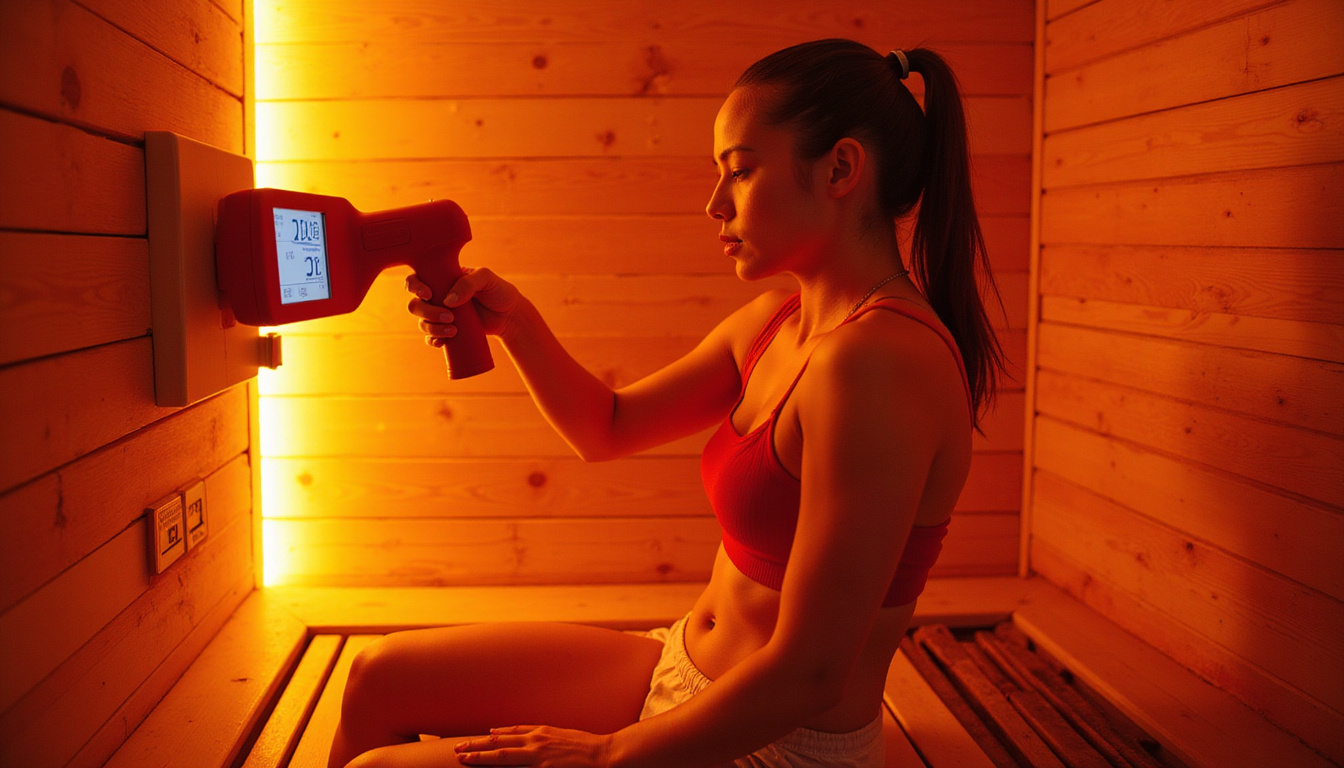
Active rest with hot room/sauna (post-work heat)
• Frequency: Do 6–10 sessions in 10–14 days.
• Session: Work normally in cool air. Then spend 20–30 minutes in a sauna or warm room.
• Goal: Use slow heat to add work change while you keep your main work strong.
This plan ties passive heat with active work for days when the heat outdoors is low.
Before and during each session, check your routine:
• Drink water early but skip extra salt drinks unless you need them.
• Weigh yourself before and after. This shows how much you lose.
• Wear light clothes that let you sweat.
• Skip heavy meals and alcohol before work.
• If you feel very dizzy, lost, faint, or sick, stop and cool down fast.
A quick to–do list:
- Set 6–14 sessions in 1–2 weeks.
- Use 60–90 minutes per session or mix active with passive heat.
- Watch your heart, how hard you work, and weight changes.
- Grow the work slowly and keep each link steady.
Safety: Watch your body as you adapt
Heat work helps, but it can bring risk if done too fast. Use these safe ties:
• Talk with a doctor if your heart has issues, you have high blood pressure, or take medicine for heat work.
• Start with small, soft sessions when new to heat.
• Check your core heat if you can; try to keep it below 39°C (102.2°F) when you work alone.
• Work with a friend for early sessions and know a cool spot (shade, cold water, or fan) when you need it.
Public health groups agree that slow work and water ties cut down heat sickness (source).
Measuring change and keeping gains
You may see lower work strain, a softer heart beat, and a slower core heat rise in one week. When you stop, most changes start to fade after about a week. They may last many weeks if you work often. Do one session a week if you face heat off and on.
Common slips to skip
• Jumping into hard heat work with no past practice.
• Skipping water or salt plans.
• Expecting quick gains; some links need days to fit.
• Ignoring heat signs: stomach upset, deep tiredness, lost head, or collapse need quick cool work and doctor help.
FAQ — common questions about heat work
Q: What is heat work training and how long must it be?
A: Heat work means repeated time in heat with work or slow heating. Most see real change in 6–10 sessions in 1–2 weeks. Gains grow even more in 3 weeks.
Q: How do heat work plans change performance?
A: A good heat work plan keeps your heart and core cooler. It helps sweat work well and grows blood. Often, it builds more endurance in warm air.
Q: Can I do heat work at home if I lack a heat room?
A: Yes. You can work outdoors on a hot day, use a sauna after work, or work in a damp place, all while keeping safe.
A two–week plan to try now
Week 1
• Day 1: 45–60 minutes of moderate work in heat; drink water first.
• Day 2: Rest or easy work in cool air.
• Day 3: 60 minutes of steady work in heat.
• Day 4: Use a sauna for 20–30 minutes after light work.
• Day 5: 60–75 minutes of moderate to hard work.
• Day 6: Use active rest.
• Day 7: 60 minutes of steady work.
Week 2
• Do the same, pushing two sessions a bit more.
• Add one session with 3 sets of 15–20 minutes and short rest.
Keep track of your weight, heart pace, and how you feel to change your load. If you see red signs, stop, cool down, and talk to a doctor.
Final notes and call to work
Heat acclimation shows how your body ties close with each bit of work. Use set sessions, keep each link safe, and do it often to get more out of hot days. Ready to start your own heat plan? Set up 10–14 days of work that suits your sport. Do a quick health check if you must, track each step, and push your work when the heat grows.
