Night racing gives you a burst of adrenaline. Low light, cool track, and bright lamps mix with risk and chance. If you race when the sun is gone, you choose speed, care, and smart moves so you stay fast and in control.
Why night racing is different
Night racing shifts most parts you trust in the day. Cold track may give grip in one turn and less in another. Dark spots and man-made lamps change how you judge distance. Rival beams add noise to your view. Tiredness grows on long nights. Noting these shifts helps you keep quick, steady laps in the dark.
Set up: car and equipment considerations
A good setup supports night racing. Test your head lamps and extra lights so you see brake points, curves, and exits without dazzling others. Tires may need softer rubber or a bit more air when the track is cooler. Brake cooling must keep pads and ducts clear. A tidy cockpit with low-lit screens and clean windshields helps your view.
• Lighting: Aim head lamps to show brake points and turn markers.
• Tire choice: Use tires that work well on cold surfaces.
• Brake cooling: Make sure brakes keep steady heat.
• Cockpit view: Dim dash lights and clean visors ease reflections.
Practice these fixes in test laps so your base setup fits the night scene. This way, you do not need big changes during a race.
Driving technique for evening speed
Your driving must shift in the dark. Brake with steady, smooth steps when visual cues fall short. Keep the steering smooth. Use close markers like curb edges or track signs when far cues fade. Feed the throttle in small steps so the tires hold their grip.
Mental game and team communication
Night racing tests both your mind and body. Stay alert by warming up well and keeping your meal and drink routine. Short mental checks help you picture key turns. In long events, switch drivers with clear breaks. Keep radio calls short and clear. Bright flags and pit signs guide you when the dark sets in.
A pre-night checklist (numbered)
- Check and align lights; test spare bulbs.
- Clean windscreen and visor; add anti-fog as needed.
- Set the right tire type and pressures for the cool track.
- Look over brake pads and ducts for any blocked air.
- Dim or shield interior displays to kill glare.
- Test a night lap to reset brake points and sight lines.
Strategy: pit timing, traffic, and tire management
Plan when to push and when to pull back. Cool air changes how your car behaves over a stint. Set pit stops based on tire wear, not day length. Take care when overtaking because head lamps can hide the speed or brake marks of rivals. In races with several classes, plan overtakes in bright spots where both cars can be seen.
Safety essentials for night events
Safety stays a fixed need. Check circuit lights and mark crew areas with bright signs. Clear fire crews need open paths and set plans in low light. Wear reflective gear and use lit signs so that pit and crew zones are well marked.
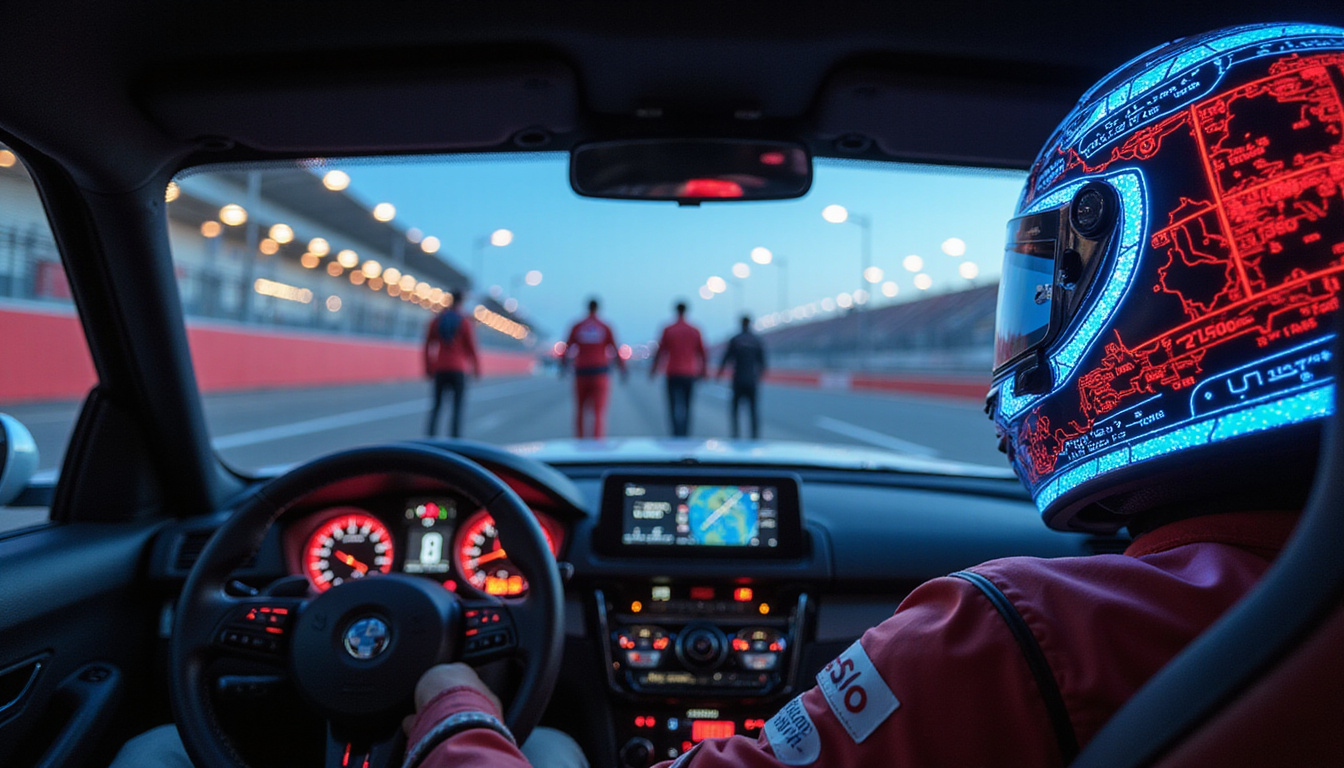
The science behind night driving risks
Studies show that driving in the dark brings more risk because lights drop and tiredness grows. Road guides point out more crashes at night; they list ways to sharpen your view and alertness. Even in a race, these physical limits exist—so use safe tips from road guides when racing.
Lighting tips that help lap times
Good light does more than shine—it gives you clear signs. Aim lights so they do not shine into other drivers’ eyes. Use softer beams near brakes and brighter beams for farther views. Place steady light marks near curves when rules allow.
Training drills for night-specific skills
Spend time on the track to train for night moves. Practice lane changes with headlamps on so you learn rival car speeds by their lights. Use steady braking drills to find the best slowdown points on cool tracks. Run series of laps only at night to build a map of lit areas and shadows.
Common mistakes and how to avoid them
Many drivers repeat the same errors at night. Do not stick to day habits—reset your reference points. Do not let glare spoil your view; use anti-glare coatings and adjust your displays. If tiredness hits, slow down or swap drivers.
FAQ — Night racing questions answered
Q: How can I boost night racing view in my car?
A: Check and align all lights, adjust extra lamps, dim inside screens, and keep windshields clean with anti-fog help.
Q: What tactics work best for long night races?
A: Rotate drivers to beat tiredness, plan stops based on tire wear and fuel use with cool track conditions, and use clear radio calls to guide moves.
Q: Is night racing tougher than racing in the day? How can I lower risk?
A: Night racing has more risk due to low light and tiredness. You cut risk by checking lights, talking clearly with your team, marking pit zones well, and keeping moves cautious in tricky spots.
Authoritative advice and further reading
For facts on night driving, look to road safety guides online. Racing groups also write rules on race lighting and safety—read them before each race.
Final thoughts and call to action
Night racing is a thrilling test of skill. By keeping your view clear, driving with care in small steps, and staying in close contact with your team, you can race fast and safe. Get your checklist ready, set a night test lap, and see how a clear, calm night race can lead to quick laps and safe finishes. Ready to take on a dark race? Book a session soon and feel the calm power of night racing.
