Every athlete at the start trusts a smart race tool kit. A good kit means a smooth race instead of an avoidable mess. You run a 5K, bike a century, or face a triathlon. A small, tidy kit keeps gear and quick fixes at hand. This lets you run for speed, not for faults.
Why a race tool kit matters
A race tool kit is more than a bunch of tools—it is your backup. On race day, nerves and time pressure add weight. Small fixes in mechanics, clothes, or fuel can spoil long training. A small kit with the right bits and knowing how to fix stops stress, saves moments, and helps you finish. Checklists from well-known sources show that prep and calm go hand in hand with good speed (Runner’s World).
Core parts of a race tool kit
Your tool kit should be small, ordered, and fitted to your sport. Here are the must-have items for any kit:
-
Basic tools and repair bits
• A multi-tool (with hex keys, screwdrivers, and, for bikes, a chain tool)
• Spare tubes and patch kit (for bikes)
• Mini pump or CO2 inflator
• Safety pins and a small sewing kit
• Duct tape (wrapped around a pen) and zip ties -
Comfort and injury care
• Blister plasters and sports tape
• Anti-chafe balm or petroleum jelly
• A small elastic bandage or KT tape strips -
Fuel and drink
• Electrolyte tablets or small packets
• Energy gels or chewables
• A few emergency calories (candy or an energy bar) -
Race rules and safety
• A printed copy of your race bib/confirmation
• ID, cash, or a card
• A phone with a small battery pack or charger
• A safety whistle and a small flashlight or headlamp if needed -
Extras that help in a pinch
• A disposable poncho or emergency blanket
• A small towel or wet wipes
• A clear plastic bag for trash or wet clothes
Pack these items in a small pouch or zip-lock bag. Cyclists and triathletes can use a saddle bag and a small frame pouch. Runners can pack a belt or use a small vest pocket.
Quick hacks to make your race tool kit work faster
Smart tweaks make your kit light and quick:
• Pre-assemble fixes: Tape clothing parts in advance (for example, attach bib pins to a cluster of safety pins) or pre-cut KT tape strips with a label so you do not fumble.
• Pick items with two uses: Duct tape with zip ties can fix many things. A small multi-tool replaces many single-use tools.
• Make a “race mode” bag: Keep a pouch with non-perishable bits always ready; add race-specific items on the morning of the race.
• Practice your fixes: If you will patch a tire or reattach a shoe plate under pressure, rehearse at home so it feels easy on race day.
• Lighten your load: Swap metal screwdrivers with nylon spudgers for clothing fixes; carry one small CO2 canister and inflator instead of a full pump for short rides.
Tailor your race tool kit by sport
Different events call for slight changes in tools and order.
• Running: Focus on blister care, anti-chafe products, safety pins for bibs, and a small first-aid kit. Runners may also pack a small windbreaker or a trash bag for warmth before a race.
• Cycling: Pack spare tube(s), a patch kit, chain quick-links, a multi-tool with a chain tool and spoke wrench, a CO2 or mini pump, and tire levers. For long rides, add a small bottle of lube and key snacks.
• Triathlon: Mix biking and running bits but keep it small. Pack items for transitions, such as elastic laces, quick-release bits, and a small bottle of body glide.
• Obstacle course races: Add a stronger tape, extra gloves, and a small, sturdy cloth to dry your hands. Items to keep water out and a large plastic bag for muddy gear will help in cleanup.
Maintenance and pre-race list
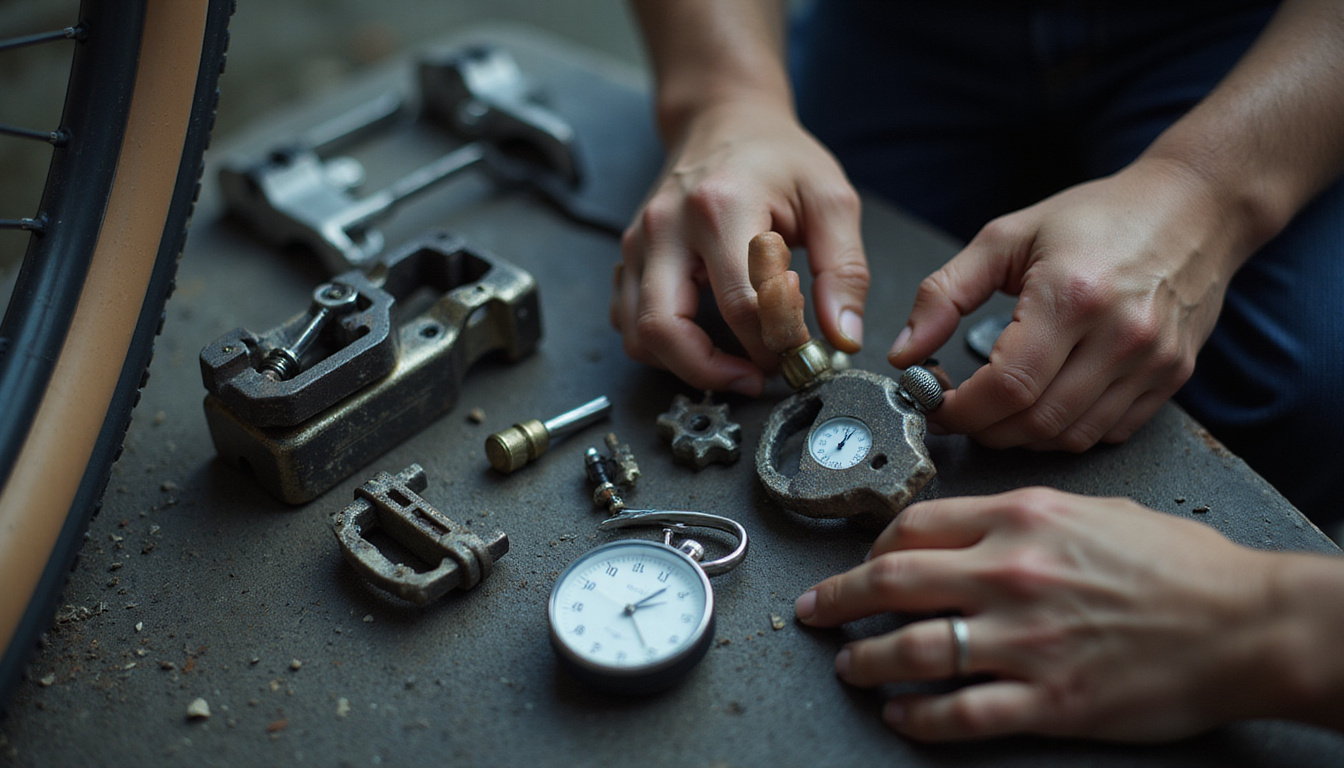
Your race tool kit must be ready and true. Do a check 24–48 hours before the race:
• Test and charge batteries (phone, headlamps, pump inflator)
• Replace old nutrition or adhesive bits
• Confirm your multi-tool has all its parts and works well
• Repack items into their spots
• Make sure consumables (tubes, gels) are near and clear
Store consumables in a cool, dry place to keep them good. For bike bits, remove any rust and add a little oil to moving parts so they move well.
What to do when race-day issues arise
When fault strikes, stay calm and sort the matter:
- Safety comes first: If a mechanical or health fault might hurt you, leave the crowd and check the matter.
- Time versus fix: For short races, it may be best to make a quick patch or use a backup (borrow a pump or fix a tire quickly) instead of a full repair.
- Ask for help: Volunteers or bike mechanics can help. This is often faster and less tense than working alone.
- Clear your mind: Accept a small fault and move on. This mental reset is as needed as a physical fix.
Think simple: Is it unsafe? If yes, stop and fix it well. If no, see if a quick fix brings you back to pace; if not, save time and energy and plan to finish as best you can.
Pack list example (short and real)
• A multi-tool with a chain tool (for cycling) or a small screwdriver set (for running or similar events)
• A spare tube, tire levers, and a mini pump/CO2 inflator
• Blister plasters and anti-chafe balm
• Safety pins, a small sewing kit, and wrapped duct tape
• Electrolyte tablets, two gels, and one emergency sweet treat
• ID, cash or card, and a printed race confirmation
• A phone with a small power bank
• A disposable poncho or trash bag
FAQ — Common questions about a race tool kit
Q: What is the best race tool kit for a beginner?
A: A simple kit should have a small multi-tool, blister plasters, anti-chafe balm, a couple of gels, safety pins, and ID/cash. Keep it small, and test each item before race day.
Q: How do I make a race tool kit for cycling events?
A: Pack a multi-tool with a chain tool, spare tube(s), tire levers, a CO2 inflator or mini pump, quick links, plus a small bit of lube and duct tape. For longer rides, plan more nutrition and perhaps two tubes.
Q: Can a race tool kit fit in a running belt or jersey pocket?
A: Yes. A small race kit for running can fit in a belt or a jersey pocket. Pack blister plasters, anti-chafe, one gel, safety pins, and a small fold of duct tape. Keep it light and small.
Guidance and more tips
For clear checklists and sport tips, trusted race publications give detailed lists and timelines. See Runner’s World for race-day packing lists and smart hints (Runner’s World).
Final checklist before the start
• Visual: Do you hold your race bib, safety pins, ID, and phone?
• Tools: Check your multi-tool, spare tube/patch kit (for cycling), anti-chafe, and blister care.
• Nutrition: Confirm you have at least one gel and electrolyte bits; plan your snack times.
• Gear: Make sure you wear the right shoes, clothes for the weather, and any event-specific gear (like a helmet, wetsuit, etc.).
• Mind: Picture yourself handling a small fault with care and following your race plan.
Conclusion — your race day is in your hands
A race tool kit is a small spend that gives big gains: less stress, quick fixes, and a better chance to hit your goals. Build a kit that fits your race and taste. Practice with its bits and keep it close. On race day you stand at the start knowing you can manage any twist that comes. That knowledge gives you a strong boost.
Ready to run smarter? Start building your own race tool kit with these core items. Tailor your kit to your event and pack everything in one small pouch that goes right into your gear bag. The next time you line up, you will be ready—and set for top performance.
