When wheel bearings fail, you get signs before big damage. You hear sounds and feel changes. Bad wheel bearings can harm your car and drive you into danger. They also make repairs cost much more. This guide shows what wheel bearings do, how to spot early harm, and how to stop high costs.
What Are Wheel Bearings and Why Do They Matter?
Wheel bearings sit in the wheel hub. They let your wheel spin with little friction. They use hard steel balls or rollers. A metal ring holds these parts. Grease sits inside to protect them.
They matter because they do these things:
• They hold the weight of your car.
• They let the wheel spin with low drag.
• They keep the wheel square with the suspension.
• They help brakes and handling work well.
When the bearings fail, you hear noise. You may feel changes in steering and braking. Tires may wear faster. In a bad case, the wheel can lock or even fall off.
Common Symptoms of Failing Wheel Bearings
Early signs can save you from big repairs. Check these symptoms:
1. Growling, Humming, or Roaring Noise
A common sign is a sound that matches your speed:
• A low humming sound that gets louder when you press the gas.
• A growling or rumbling noise from one wheel.
• A sound that shifts when you turn the car (for example, louder on one turn and softer on the other).
This sound stays the same on many road surfaces. Tire noise may change with the road type.
2. Clicking or Popping While Turning
When turning sharply, a failing bearing may give:
• Clicking, popping, or snapping sounds.
• Sounds at low speeds, such as when parking or doing a U-turn.
Sometimes a worn bearing makes a noise like a broken CV joint does.
3. Steering Wheel Vibration or Looseness
A bad bearing can cause:
• The steering wheel to vibrate at higher speeds.
• A loose feel when you steer.
• A slight pull or wander as you drive.
If tire balance and alignment are okay, the bearing may be the reason.
4. Uneven Tire Wear
A weak bearing can let the wheel move in odd ways. This can change the tire wear:
• Cupped or scalloped tire tread.
• One tire wears faster than the others.
• Wear along the inner or outer tire edges.
If the tire wear is abnormal and alignment seems fine, check the hub and bearing.
5. ABS Warning Light
Many cars have a wheel speed sensor in the bearing hub. A worn bearing can cause:
• The ABS light to come on.
• Lights for traction or stability control to show up.
When these lights appear with other signs, suspect a bad bearing.
6. Wheel Play or Looseness
This sign shows when you inspect the car:
• Lift the car and hold the wheel at 12 and 6 o’clock. Feel for wiggle.
• You may hear a grind when you spin the wheel by hand.
Any extra movement means the bearing is in danger.
What Causes Wheel Bearings to Fail?
Wheel bearings last many miles if cared for. But some factors can wear them out fast.
1. Impact Damage (Potholes and Curbs)
Hard hits hurt wheel bearings:
• Hitting a pothole at high speed.
• Bumping a curb.
• Low-speed crashes can also hurt them.
Such hits can bend the metal ring or harm the rollers.
2. Water and Contamination
Bearings need clean grease. If a seal breaks:
• Water, salt, and dirt can get in.
• The grease can break down.
• The bearing parts may rust.
Cars often driven on wet, muddy, or salted roads are at more risk.
3. Overloading and Towing
Too much weight adds stress:
• Towing heavy loads.
• Driving with a full load.
• Extra weight from trailers or racks.
Extra load makes the bearing wear out faster.
4. Poor Installation or Low-Quality Parts
A bad setup also cuts life short:
• Wrong tightness on axle nuts.
• Using a hammer to install the bearing.
• Incorrect tools and methods.
Cheap parts often fail sooner than known brands.
How to Check for Bad Wheel Bearings
A qualified mechanic should check, but you can do these tests.
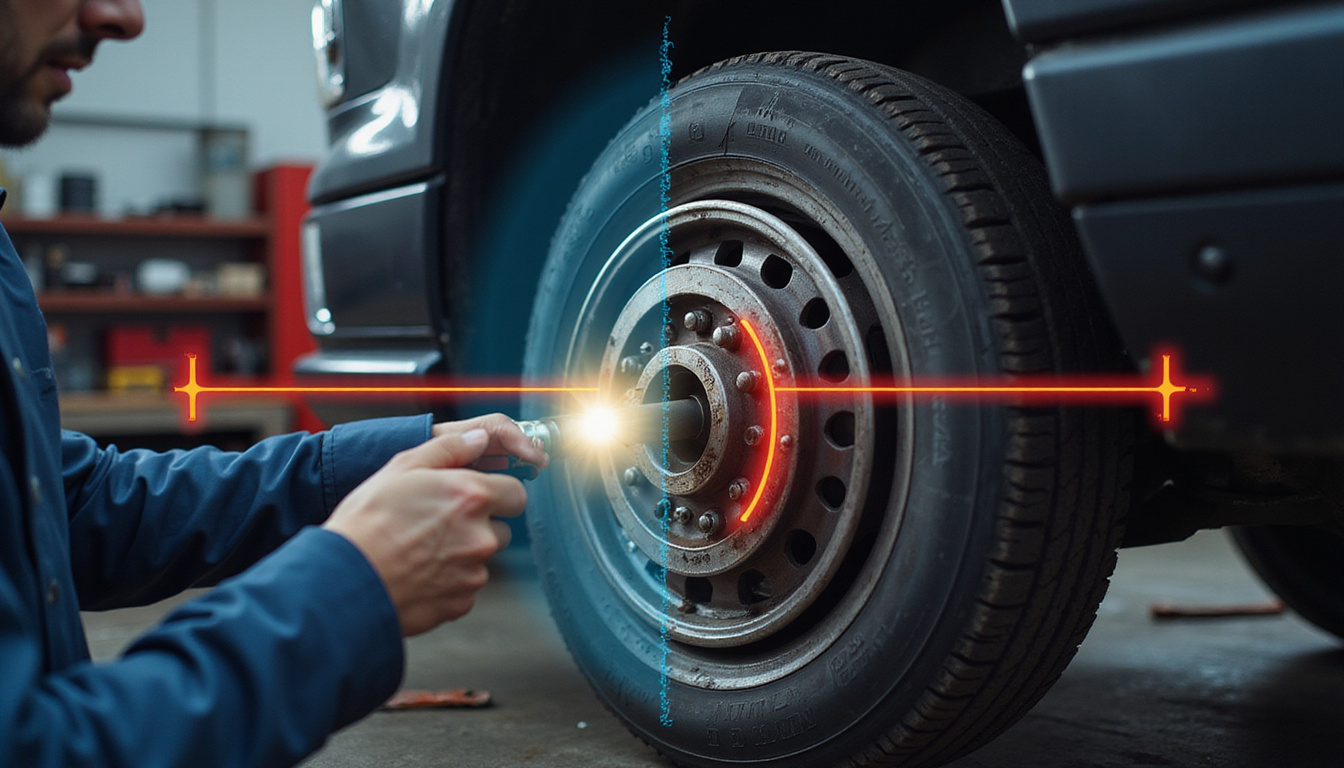
1. Road Test Observations
On a safe drive:
• Listen for humming, growling, or roaring that matches your speed.
• Notice if the sound changes when you turn.
• Feel if the steering wheel or floor vibrates.
If the noise gets louder when you lean the car to one side, check the opposite wheel bearing.
2. Jack-and-Wiggle Test
With the car on jack stands:
- Grab the tire at 12 and 6 o’clock.
- Rock the wheel in and out.
- Grab it at 3 and 9 o’clock and rock it again.
Any extra move may show a bad bearing. Other parts can move too, so check all.
3. Spin-and-Listen Test
With the wheel still off the ground:
• Spin the wheel by hand.
• Listen for grinding, scraping, or rumbling.
• Compare with other wheels.
A healthy bearing is smooth and near silent.
The Real Cost of Ignoring Bad Wheel Bearings
Waiting to fix a bad bearing can raise costs and risk.
Problems can include:
• Damage to the hub and knuckle. A bad bearing can mar the metal rings.
• Brake issues. Misalignment might make the brakes drag or wear uneven.
• Tire wear. Quick and uneven wear may force an early tire change.
• Sensor faults. A failed bearing can disturb the wheel speed sensor.
A worn bearing can cause the wheel to lock, control loss, or even fall off. Repair now costs less and keeps you safe.
How to Extend the Life of Your Wheel Bearings
You can slow bearing wear with good habits:
-
Avoid hard hits
Slow on potholes and be careful around curbs and rough roads. -
Respect weight and tow ratings
Do not overload your car. Keep towing within safe limits. -
Rotate and inspect tires
Tire rotations help a shop find bearing noise or extra movement. -
Fix noises or vibrations fast
Do not wait if you hear a new hum or grind. -
Choose quality parts and proper installation
When you replace a bearing, use trusted brands and follow the right tools and tightening rules. -
Keep seals and boots in place
For serviceable bearings, check that seals are not broken and that grease is clean and enough.
DIY vs. Professional Repair for Wheel Bearings
When DIY Might Be Reasonable
If you have good skill, the right tools, and a service guide, you might fix:
• Older vehicles with serviceable, tapered roller bearings.
• Simple front-wheel-drive cars that have bolt-on hub assemblies.
You will need:
• A good torque wrench.
• Proper sockets and pullers.
• Jack stands and a safe work spot.
• A press for press-fit bearings.
When to Use a Professional
A trusted mechanic is best if:
• The car uses press-in bearings with special tools.
• The bearing comes with ABS sensors and electronics.
• There is severe rust or past damage.
• You do not feel sure about lifting and taking apart major parts.
Because wheel bearings affect safety, it is best to get help when unsure.
FAQs About Wheel Bearings and Failure
How long do wheel bearings usually last?
Most sealed wheel bearings run between 80,000 to 120,000 miles. Road type, car weight, and care can change this number. Rough roads, heavy loads, and poor parts may cut the life short.
Can I drive with a bad wheel bearing?
You can drive with a noisy or weak bearing for a while, but you should fix it soon. As the bearing wears more, the risk of a wheel lock, loss of control, or damage to brakes and suspension grows. Have a mechanic check it.
How much does it cost to replace wheel bearings?
Replacing a wheel bearing or hub assembly costs about $200 to $600 per wheel at a repair shop. Price depends on:
• Car make and model.
• Whether the bearing is press-fit or bolt-on.
• Labor and parts needed.
Luxury or performance cars and those with integrated ABS sensors may be more costly.
Take Action Before Your Wheel Bearings Fail
If you hear a hum or growl or feel a new vibration, do not wait to act. Early fixes cost less and keep you safe. Visit a trusted mechanic. Explain your symptoms. Ask them to check the bearings along with the tires and brakes. A simple check today can stop a breakdown tomorrow.
