Vehicle Livery Ideas That Transform Your Fleet Into Rolling Billboards
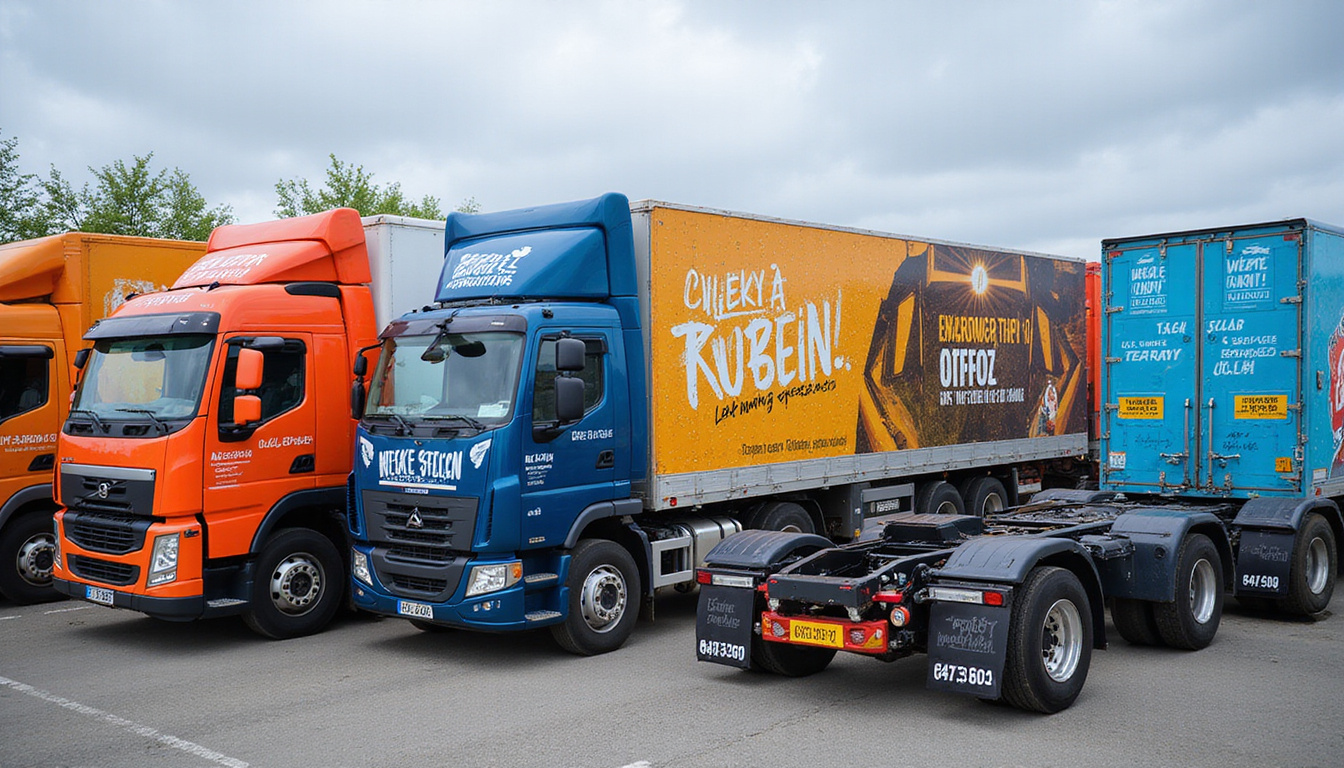
Vehicle livery turns your cars, vans, and trucks into moving ads. The design makes each trip a chance for your brand to speak. A good livery system ties each part of your fleet close to your brand.
Why Vehicle Livery Is a Strong Marketing Channel
Before you pick a design, know why livery matters:
- • A set cost turns vehicles into ads every day. Once applied, each vehicle shows your brand with every trip. One wrap may give tens of thousands of views in busy spots (source: Outdoor Advertising Association of America).
- • Your fleet moves where your customers live and work.
- • Branded vehicles give trust and show a real business.
- • A uniform look builds brand recall.
Seeing your vehicles as ads shifts your design choices.
Start With Strategy: Define the Purpose of Your Vehicle Livery
Effective livery has a clear goal. Before you pick colors or images, answer this:
-
Brand awareness?
Put your logo and bold hues in focus. -
Lead generation?
Show clear contact details and a short call to act. -
Brand reassurance?
Show a neat look and proofs like certificates. -
Recruitment?
Add hiring words, QR codes, or “Now Hiring” marks.
A clear goal keeps your design neat and on track.
Core Elements of Effective Vehicle Livery Design
No matter your work, the best liveries share these traits:
1. Clear, Legible Branding
Make your logo and key words easy to see:
- Use strong contrast between text and back.
- Choose thick, simple fonts that stand out.
- Test the look from 30–50 meters and at 50–70 km/h.
2. Simplicity Over Clutter
Do not fill every bit with art. A busy livery is hard to read when the vehicle moves.
- Stick to one main word and one extra word.
- Use 2–3 main colors with a few neutral tones.
- Use big shapes and open spaces so the design stands out.
3. Consistency Across the Fleet
Whether you have a few vans or many trucks, keeping the look the same builds trust.
- Fix the logo size and its place (for example, on both front doors).
- Use the same colors, fonts, and icons on all vehicles.
- Write a brief livery guide to help with new vehicles.
4. Use Every Side
Think of your vehicle as a box where each side speaks:
- Sides: Best for your main words and image.
- Rear: Key for drivers behind you; ideal for your web or phone.
- Front: Shows your logo and small details.
- Roof: Good in cities or seen by drones.
Creative Vehicle Livery Ideas That Catch the Eye
After you set up the basics, let creativity work in small steps. Here are ideas that work in many fleets.
1. Bold Color Blocking
Big solid colors and smooth blends are seen from afar:
- Use one strong brand color over the vehicle with white or black text.
- Add a bright band or stripe with your main service word (for example, “24/7 Plumbing”).
- Try a slanted shape to give a sense of motion.
This look suits brands that want a neat and modern design.
2. Product-as-Hero Designs
If you sell a product, give it the lead:
- Put clear product images on the sides.
- Show before and after views (for example, dirty and clean carpets).
- Add a short phrase that tells what you do (“Top coffee to your door”).
This style works for food, home work, shops, and online delivery.
3. Illusion and 3D Effects
Smart visuals make drivers take a second look:
- Make one side seem like it opens to show the inside.
- Use shadow effects that help logos and images pop.
- Let designs flow from one side to the other like a scene.
Ensure these effects do not block safety marks or confuse others.
4. Minimalist, Premium Looks
For top services like finance or tech, a simple design says much:
- Use one plain color, a neat logo, and a short phrase.
- Add small icons near doors or wheels.
- Try a shine on the logo for a high-end look.
Simple designs never grow old.
5. Storytelling Across Panels
Let each side tell part of a short story:
- Side 1: The problem (“Slow internet?”)
- Side 2: The fix (“Fast fiber, 24/7 care”)
- Rear: A clear call to act (“Visit FastNet.com”)
This style works well when people see the vehicle from many views.
6. Seasonal or Campaign Overlays
Keep your key design the same and use extra pieces for short campaigns:
- Use magnets or remade vinyl for short deals.
- Add seasonal marks (holiday, summer, or special dates).
- Put event words on vehicles for shows or local events.
This plan protects your design while keeping it fresh.
Practical Considerations: Materials, Upkeep, and Rules
Beyond the look, your livery must work in real life.
Choose the Right Wrap Type
- Full wraps: Cover all, protect the paint, and work well for a new look.
- Partial wraps: Cost less yet can seem like full wraps with a smart plan.
- Vinyl letters/decals: Fit small fleets or tight budgets with simple marks.
Find a skilled installer who uses good vinyl and sun-fade inks; a low price may cost more later.
Plan for Upkeep
A good livery works for years:
- Wash the fleet on a schedule to keep colors bright.
- Avoid strong cleaners and hard brush washes.
- Check for peeling or bubbles and fix them at once.
Know Local Rules
Many places have rules on:
- Reflective marks on trucks.
- Covering windows with bold designs.
- Keeping license plates and safety signs clear.
Check your area’s laws on vehicle ads before you set the design.
Turning Your Fleet into a Cohesive Moving Campaign
Do not see each vehicle on its own. See your entire fleet as one moving ad.
Standardize Core Elements
Keep the basics the same on each vehicle:
- Main color scheme
- Logo placement and size
- Web and phone details
- Short tagline or service claim
Then, change small parts by type (for example, different images on vans versus trucks) while keeping the look the same.
Group by Service or Area
For larger fleets:
- Use colored lines (for instance, blue for installation and green for maintenance).
- Mark small region names on the front fender or rear door.
- Change the back message for different parts or languages.
This plan helps with management while giving a united look.
Measuring the Impact of Your Vehicle Livery
To treat livery as a true marketing tool, track how it works.
Some ideas:
- Use special URLs or landing pages shown on the vehicle (for example, Brand.com/van).
- Add unique phone numbers on your fleet.
- Ask new buyers, “How did you learn of us?” and note if a vehicle led them.
Over time, check the leads from vehicles versus other ways to see if the plan works.
Checklist: Planning Your Next Vehicle Livery Project
Use this list to help with your next design or update:
- Set your main goal (awareness, leads, trust, or hiring).
- Confirm your brand guide (colors, fonts, logo use).
- Note the vehicle types and sizes in your fleet.
- Pick full wrap, partial wrap, or decals.
- Choose key words (1 main, 1 extra).
- Decide on a style (bold, simple, product focus, etc.).
- Check that texts are clear from distance and at speed.
- Verify local rules and safety steps.
- Select a skilled installer with a strong work record.
- Add ways to track results (unique web, phone, or CRM note).
FAQ About Vehicle Livery and Fleet Branding
Q1: How much does a pro livery cost per vehicle?
The cost varies by vehicle size and design. Simple vinyl letters may run a few hundred dollars. A full quality wrap on a large van or truck can be $2,000–$5,000 or more. Spending on good materials and work usually pays off.
Q2: What is the difference between a vehicle wrap and simple graphics?
A vehicle wrap covers most or all of the vehicle with full-color images. Vehicle graphics or letters refer to small parts like logos or words on the paint. Both fall under vehicle livery.
Q3: How long does a quality fleet livery last?
With good care, a well-set wrap can last 5–7 years. In harsh areas or high miles, check panels every 3–5 years to keep the look fresh.
Turn Your Fleet into Your Best Ad Channel
Every day, your vehicles either blend in or work hard for your brand. A sound livery turns each trip into a steady stream of views and new clients. With a set design, each ride speaks for your brand around the clock.
If your fleet feels plain or old, now is the moment to turn it into a united ad show. Work with a skilled designer and installer, set clear goals, and build a livery plan that works all day, every day.
Start your next vehicle livery project today, and turn your fleet into moving ads that bring your brand close to everyone.
