Spare Radiator Essentials Every Driver Needs to Avoid Costly Breakdowns
If your temperature gauge climbs toward red, your engine may heat up fast. A hot engine can lead to a steep repair bill. A spare radiator and proper cooling parts help keep your ride safe. You may drive an old car or pound the highway. Being prepared can mean a quick fix instead of a blown engine.
Below is a guide on radiator work, what to keep in your car, and how to choose spares and emergency gear.
Why Your Radiator (and Spare Radiator) Matters So Much
Your radiator forms the core of your car’s cooling system. It moves the coolant, pulls heat away from the engine, and lets that heat escape through the fins. When it fails, the engine heats up quickly. Key parts such as head gaskets, hoses, and the engine block may suffer harm.
A spare radiator may not belong in every trunk. It helps these drivers:
• Those with old cars whose cooling parts have worn over time
• Those with work vehicles that must run every day
• Those who travel far and stay away from repair shops
Even if you do not bring a spare radiator along, knowing when you may need one—and what other parts to carry—can save time, stress, and money.
Understanding the Cooling System: The Big Picture
Before you choose spares, learn how your cooling system works. Its main parts are:
• Radiator – Cools hot coolant from the engine.
• Radiator cap – Keeps system pressure and raises the boil point.
• Thermostat – Switches coolant flow by engine heat.
• Water pump – Moves coolant through the engine and radiator.
• Hoses and clamps – Move the coolant and lock parts tight.
• Cooling fan(s) – Push or pull air through the radiator when speeds drop.
Problems occur when a part fails or maintenance slips. Carrying spare parts, tools, and fluids helps you fix matters fast.
Do You Really Need a Spare Radiator?
For most drivers with new, well-kept cars, a full spare radiator in the trunk is too much. But some cases call for it:
• Your radiator is the original part on a worn car.
• Replacement radiators are hard to find fast.
• You drive in far-off areas or in overland trips.
• You run a small fleet of taxis, vans, or trucks that must run.
In many cases, keeping a spare radiator at home or in your garage works well. If your radiator fails, the right part is at hand. This stops delays and rush orders.
Cooling System Essentials Every Driver Should Carry
Even if you do not keep a full spare radiator, these items help you handle cooling issues.
1. Proper Coolant / Antifreeze
Low coolant or the wrong type can lead to overheating and corrosion.
• Keep 1–2 liters of the correct coolant for your car.
• Match the color and type found in your owner’s manual.
• Pre-mixed 50/50 coolant works best for quick top-ups.
2. Distilled Water
Distilled water helps if you need to thin the coolant or top it off in a pinch.
• Do not use tap water for long; its minerals can cause scale and rust.
• Use distilled water once only until you can refill with proper coolant.
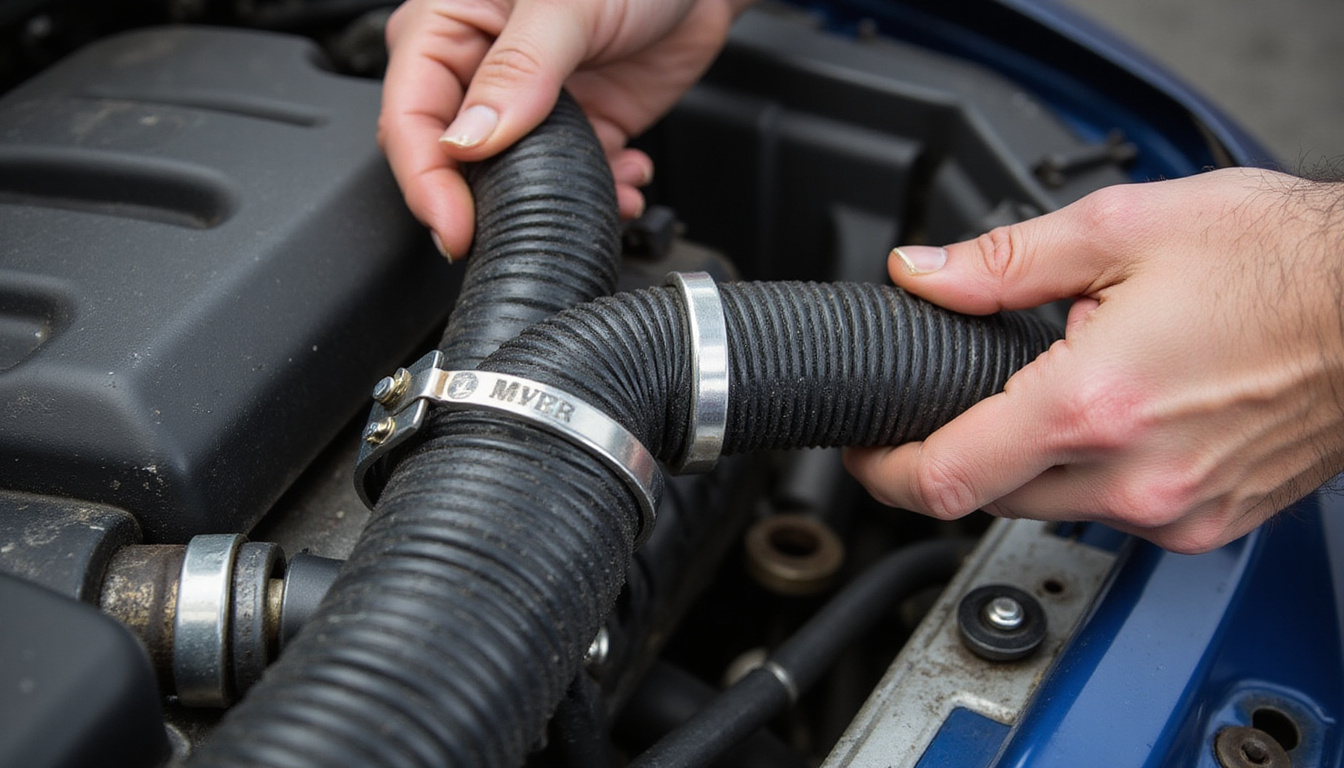
3. Spare Radiator Hoses and Clamps
Burst hoses are a common cause of quick overheating.
• Keep the upper and lower hoses if your car has a basic design.
• Pack a small set of clamps in various sizes.
• Keep silicone tape to seal small leaks until you reach home.
4. Radiator Cap
A worn cap can let coolant boil, spill, and heat the engine.
• A spare radiator cap that fits your system’s pressure is an easy backup.
• Caps decay slowly; a new one may stop odd overheating.
5. Basic Cooling System Tools
These tools help you inspect parts and make small roadside fixes:
• Work gloves (heat-resistant if you can)
• Safety glasses
• A multi-tool or a small socket set
• Both flathead and Phillips screwdrivers
• A flashlight or headlamp
• A funnel for safe top-ups
When a Full Spare Radiator Makes Sense
For some drivers, a spare radiator is a wise buy. Think of these signs:
• Your radiator shows age with rust, bent fins, or small leaks.
• You haul heavy loads that stress the cooling system.
• Overheating happens again even after quick checks.
• Your car uses a special radiator that shops do not carry.
In these cases, buying a compatible spare before failure cuts cost and time.
Choosing the Right Spare Radiator
When you shop, note these points:
• It must fit your car exactly – check the make, model, engine, and gear type.
• Most radiators use aluminum for the core and plastic for tanks. Full aluminum parts are strong but cost more.
• If you work in high heat or tow, a higher capacity radiator gives more room for heat.
• A good warranty (1–3 years) and sound reviews help you pick a strong part.
A quality part is better than a cheap one. Poor parts may leak or fail fast.
How to Avoid Radiator Failures in the First Place
The best spare is the one you do not use. Keeping your system in top shape stops breakdowns.
Follow a Coolant Service Plan
Coolant loses strength and can turn acidic over time.
• Most makers suggest a coolant change every 2–5 years or 30,000–60,000 miles.
• Use the type given in your manual, not a generic green liquid unless allowed.
Inspect Hoses, Clamps, and the Radiator Face
A quick look every few months helps you catch small issues:
• Look for soft, bulging, or cracked hoses.
• See any white, green, or orange crust on joints? That could show a leak.
• Check the fins for too much bend or clogging.
Watch Your Temperature Gauge
The gauge or light on your dash shows engine heat early.
• If it climbs, ease off the gas, turn the heat on high, and pull over safely.
• Do not ignore a warning, even if it seems brief.
What to Do If Your Radiator Fails on the Road
Even with a good kit and a spare at home, you may hit trouble. Follow these steps:
- Pull over safely when the gauge shows too high a heat.
- Turn off the engine; leave the key in “on” if you need hazard lights.
- Do not open the radiator cap when it is hot. Wait 30 minutes or more till it cools.
- Check the coolant level in the overflow first.
- If low and if there are no big leaks, top up with coolant or distilled water. Drive slowly to a repair shop.
- If coolant spills fast or you see a cracked tank, call for help. Driving on may harm the engine more.
The right kit can turn a tow into a careful ride to your home or workshop.
Building Your Personal Radiator & Cooling Emergency Kit
Use this checklist to pack a small box or a bag for your trunk:
• Correct coolant (1–2 liters)
• Distilled water (1–2 liters)
• Upper and lower radiator hose (if they are easy to find)
• Assorted hose clamps
• A spare radiator cap (with the right pressure)
• Silicone or hose tape for repairs
• Work gloves and safety glasses
• Basic tools: multi-tool, screwdrivers, socket set
• A funnel
• Shop towels or rags
• Zip ties tosecure loose parts temporarily
If you own a spare radiator, keep it safe at home or in your garage. Mark which car it fits. Tell someone or your regular repair shop about it.
FAQs About Spare Radiators and Cooling System Emergencies
1. Should I keep a spare radiator in my trunk?
For many drivers, a spare radiator in the trunk is not needed. It is better stored at home or in a shop. Use the trunk for an emergency kit with coolant, hoses, and tools.
2. How do I know if my radiator needs a swap instead of a repair?
Watch for quick overheating, cracks in the plastic tanks, rust on many spots, and leaks from the core. If a repair shop tells you to buy a new one, then it is time. You may then also want a spare for extra peace.
3. Are aftermarket spare radiators safe for long trips?
Good aftermarket brands work well and are often cheaper. For long trips, pick one that fits, has good reviews, and a solid warranty. Avoid extremely cheap ones that may leak soon.
Protect Your Engine—and Your Wallet—With Smart Preparation
Don’t let overheating cause a tow or a steep repair bill. With proper coolant, basic tools, spare hoses and caps—and for some drivers, a spare radiator—you can turn a hard moment into a small pause.
Spend 15 minutes this week to build or update your cooling kit. Check your radiator and hoses. If your car is old, does heavy work, or drives far, buying a spare radiator now may save you later.
Your engine, your day, and your money will thank you when heat starts to rise.
